// blog
Product, engineering, and the real work behind AI-built apps
Founder-focused essays, technical breakdowns, and product notes on monitoring apps built fast and shipped to real users.
Featured
Start here if you want the clearest product context first.
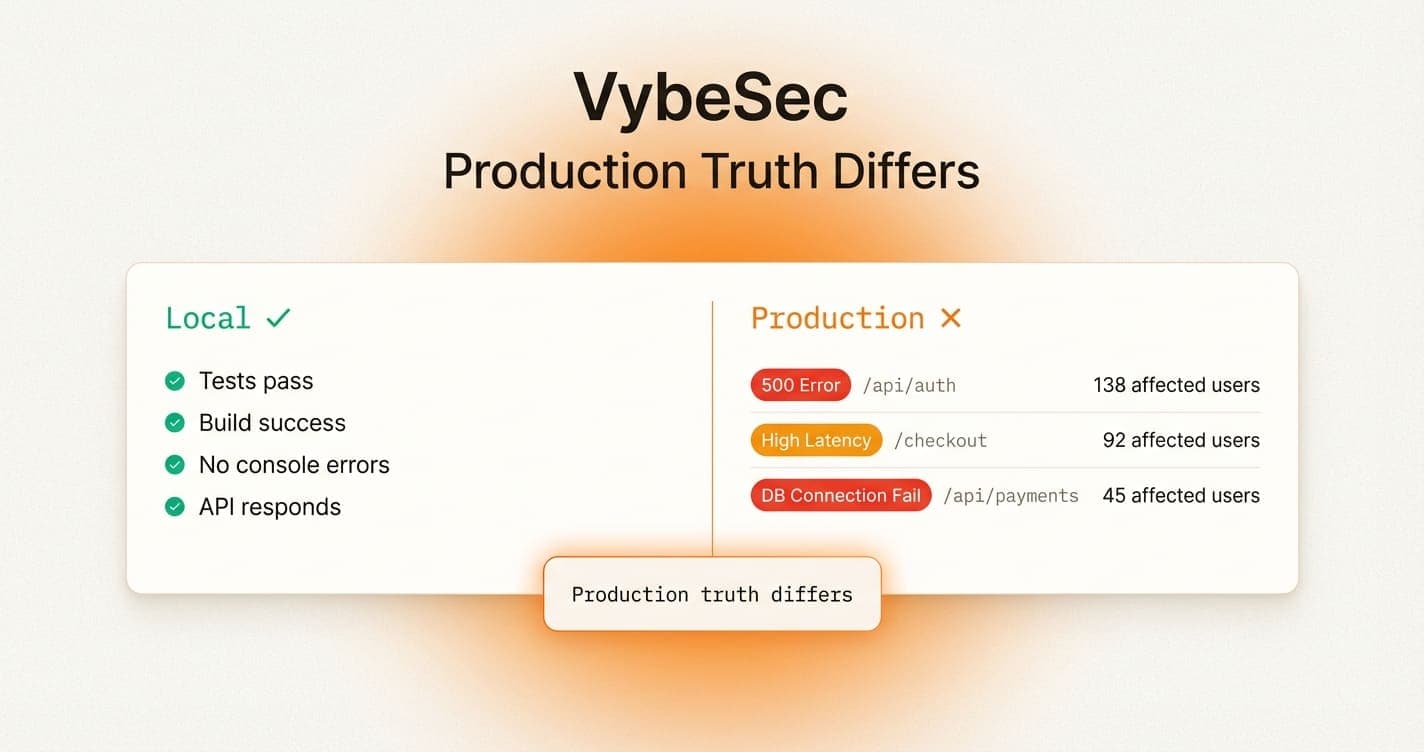
Why AI-Built Apps Crash in Production Even When They Look Fine Locally
Local success is a weak signal. Real users trigger different routes, payloads, permissions, and edge conditions. This is how to design monitoring for that reality.
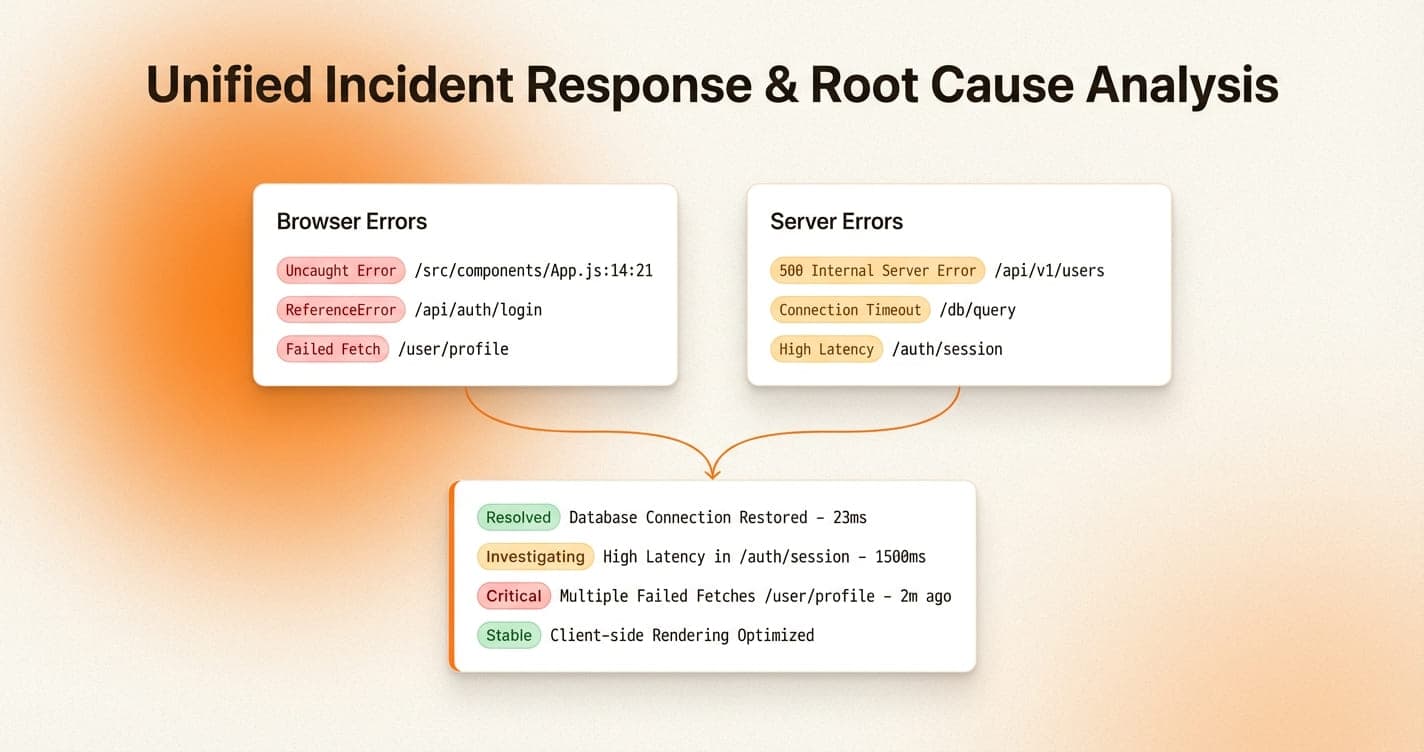
Why Client-Side and Server-Side Monitoring Should Share the Same Feed
When browser failures and backend failures land in different tools, the team spends more time reconciling incidents than fixing them. One feed changes that.
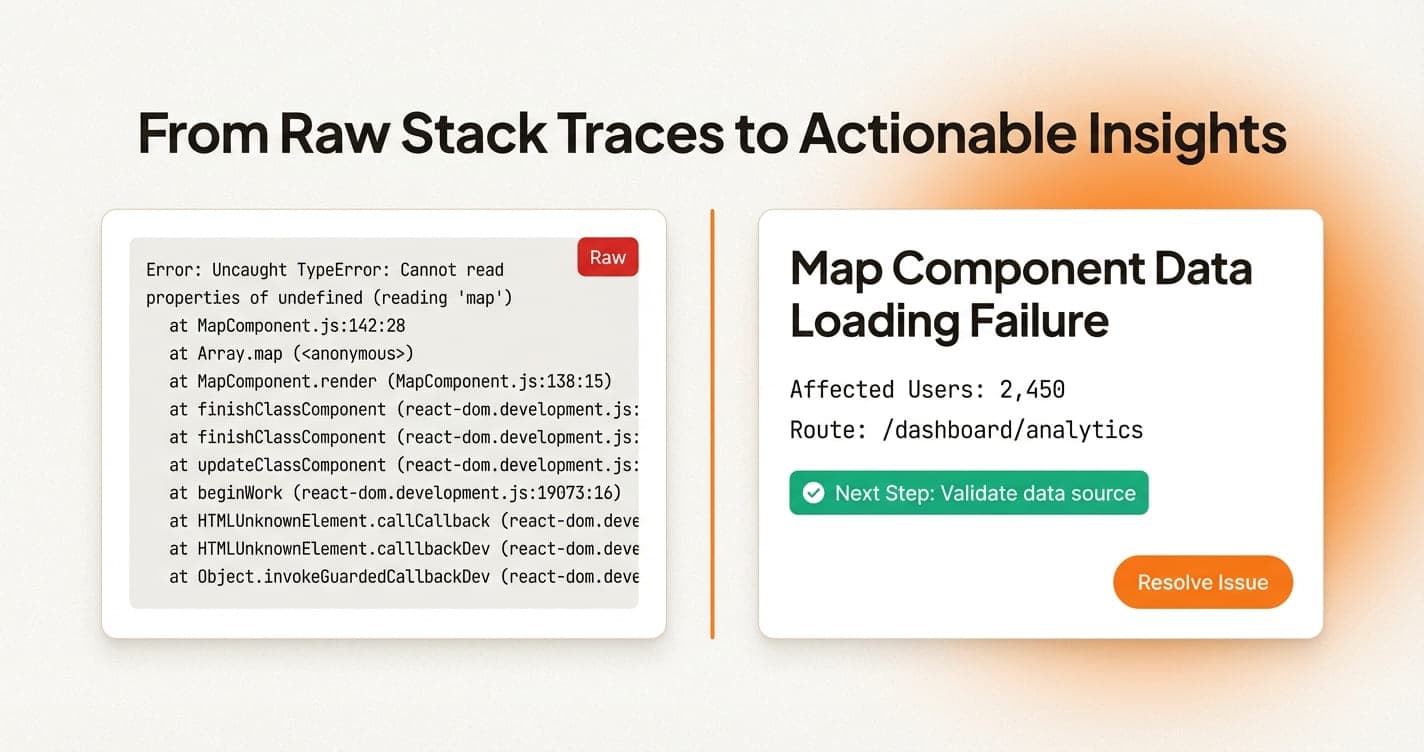
Plain-English Error Feeds Beat Raw Stack Traces for Small Teams
Small teams do not need more noise. They need an issue feed that converts technical failures into decisions they can act on quickly.
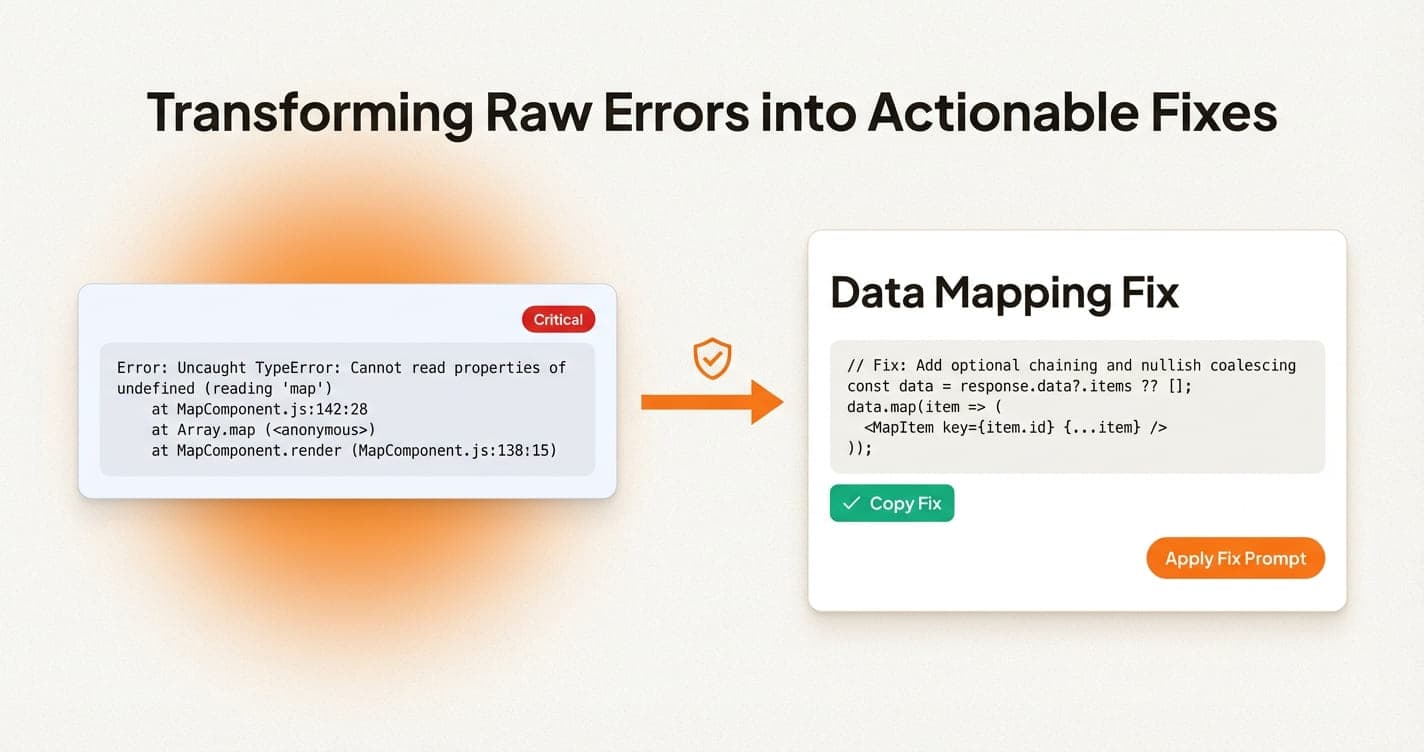
Fix Prompts Are the Missing Layer Between Monitoring and Repair
AI-built apps move faster when the monitoring product does not stop at detection. The next step should already be shaped into a usable fix prompt.
All posts
Founder notes, product decisions, and technical implementation details.
Showing 1–6 of 32
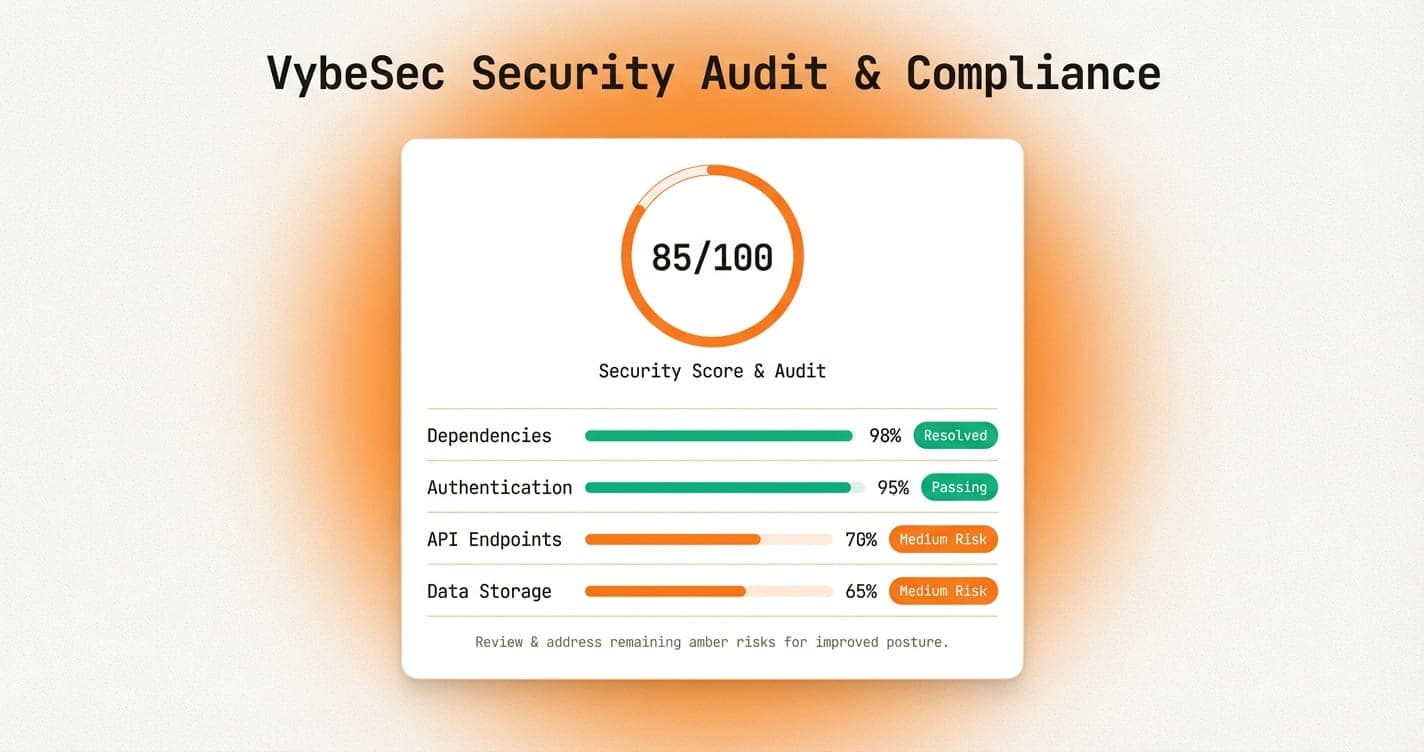
What a Security Score Should Actually Mean in an AI-Built App
A security score is only useful if it compresses real risk into a decision. This is how to think about score design without turning it into vanity UI.
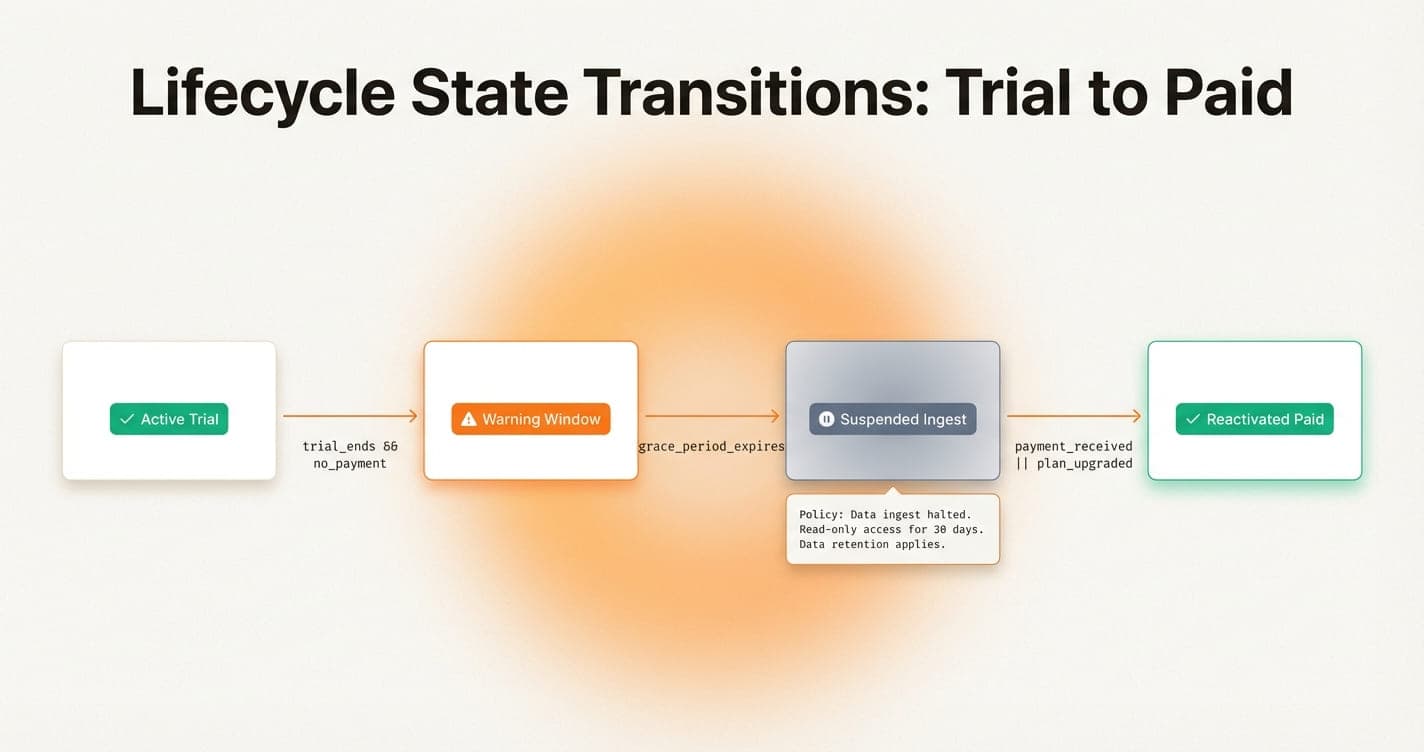
Trial Gates Are Product Logic, Not Just Billing Logic
A real trial system touches auth, ingest, billing, access control, and UI state. Treating it as a checkout-only concern creates brittle product behavior.
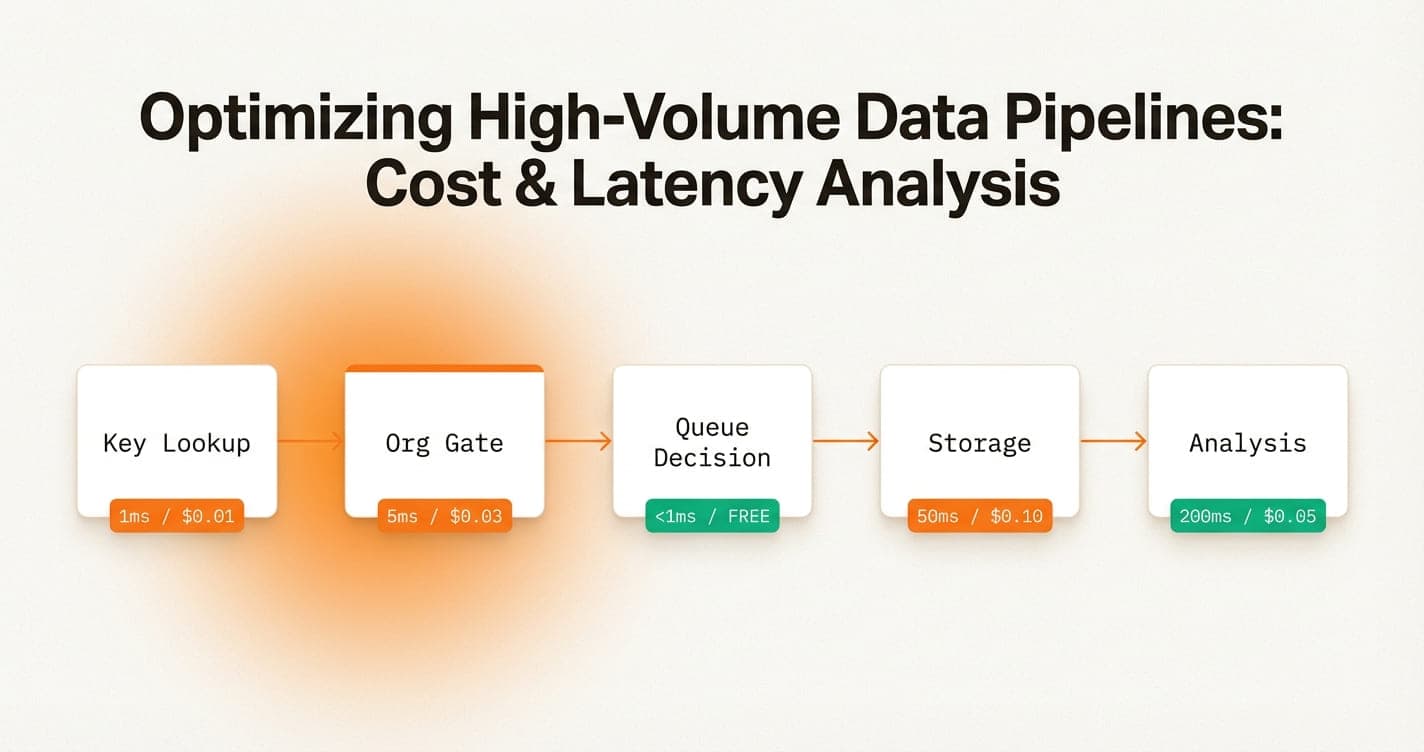
Designing Edge Ingest So Monitoring Stays Fast, Cheap, and Honest
The cheapest bad event is the one you never process. Edge ingest design decides whether your monitoring system scales operationally or quietly leaks cost.
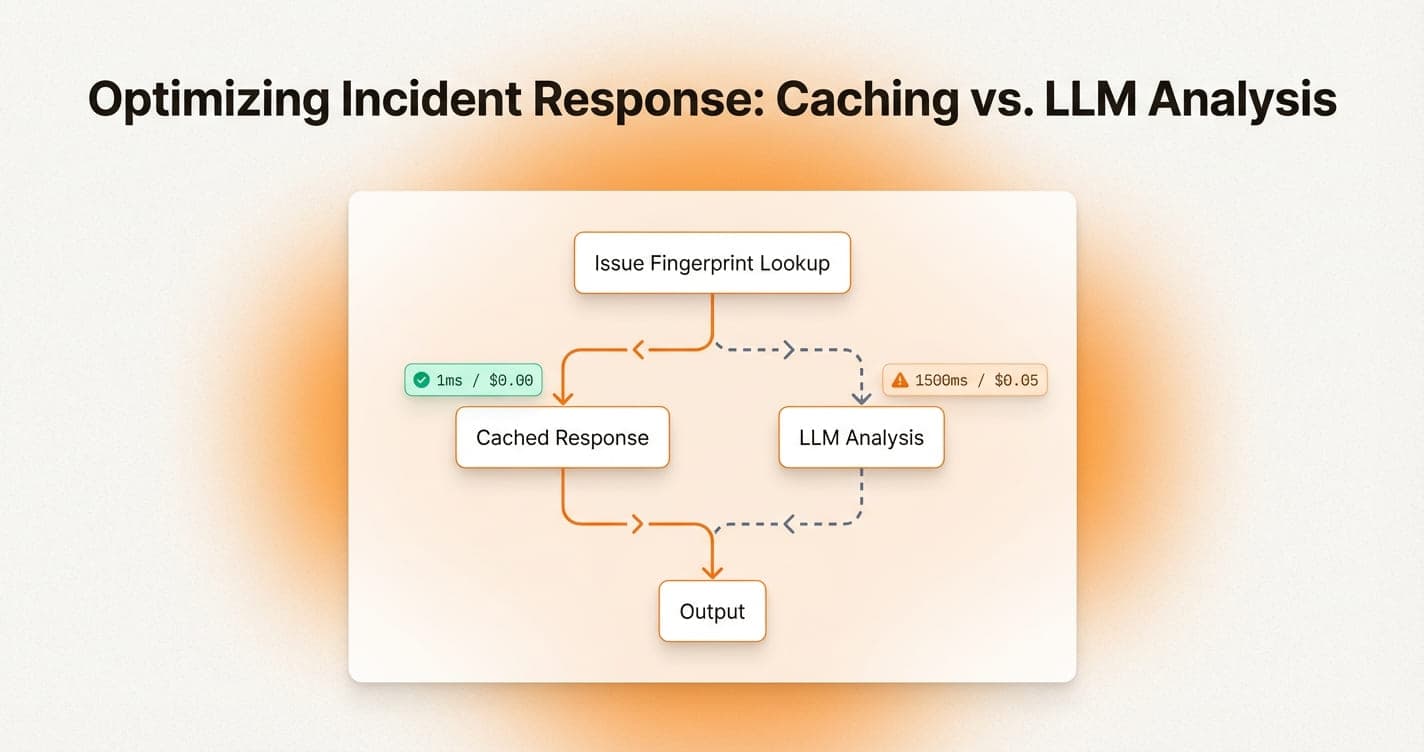
Why LLM Analysis Needs Caching in a Monitoring Product
If every repeated issue burns a fresh model call, the product becomes slow and expensive. Caching is what turns AI analysis into an operational feature instead of a demo.
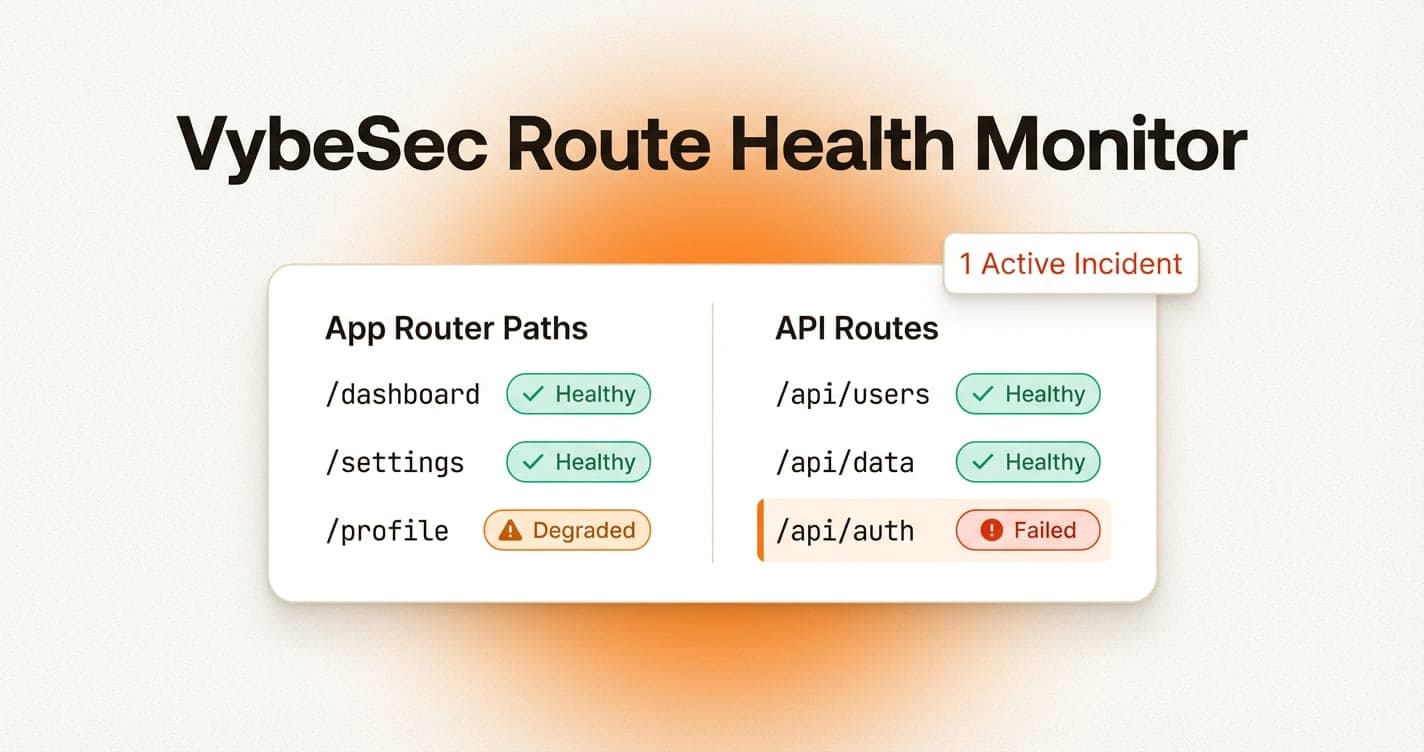
How to Monitor Next.js App Router and API Route Failures Without Guesswork
Next.js spreads failure across client components, route handlers, and server runtime hooks. Monitoring has to account for all of them or it will miss the real incident.
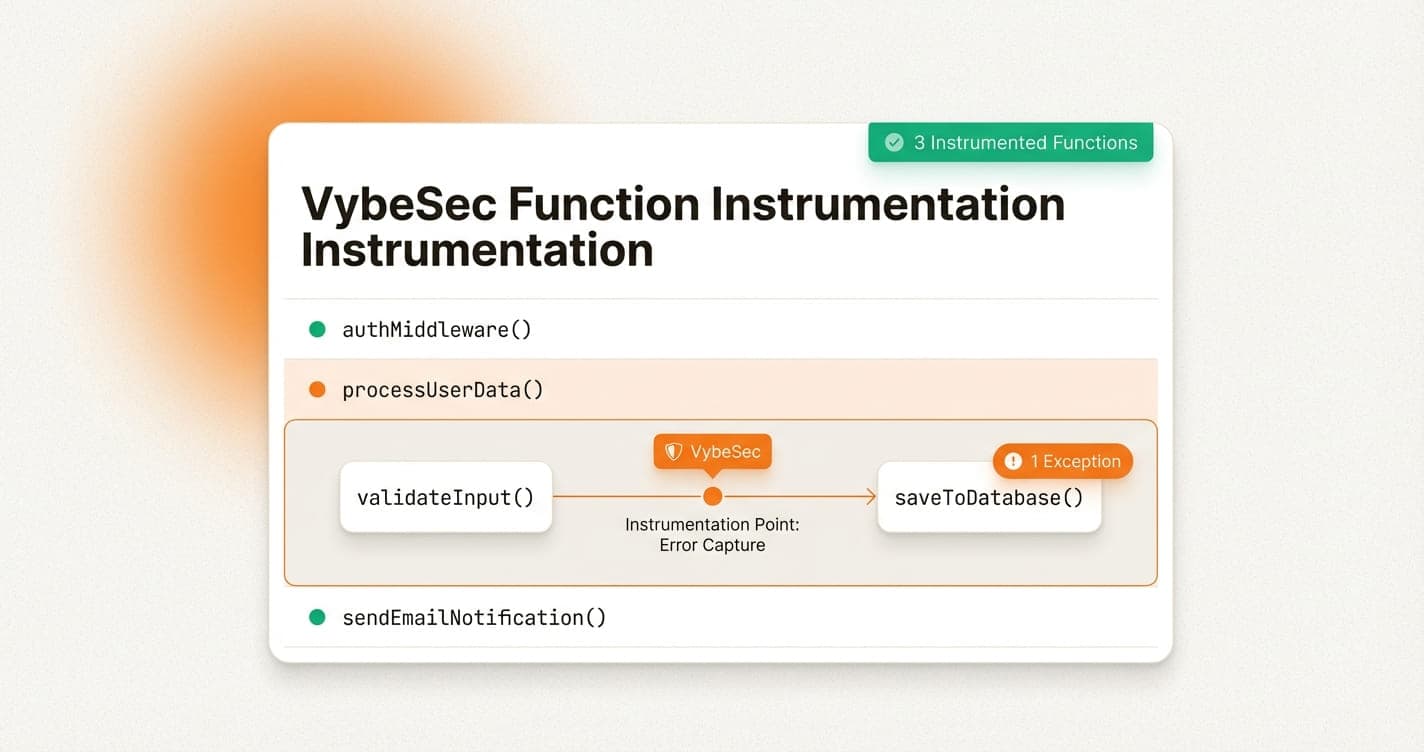
How to Monitor Supabase Edge Functions Without Guesswork
Supabase Edge Functions are easy to ship and easy to under-instrument. This is the practical setup that keeps them visible once real traffic arrives.