// blog
Product, engineering, and the real work behind AI-built apps
Founder-focused essays, technical breakdowns, and product notes on monitoring apps built fast and shipped to real users.
Featured
Start here if you want the clearest product context first.
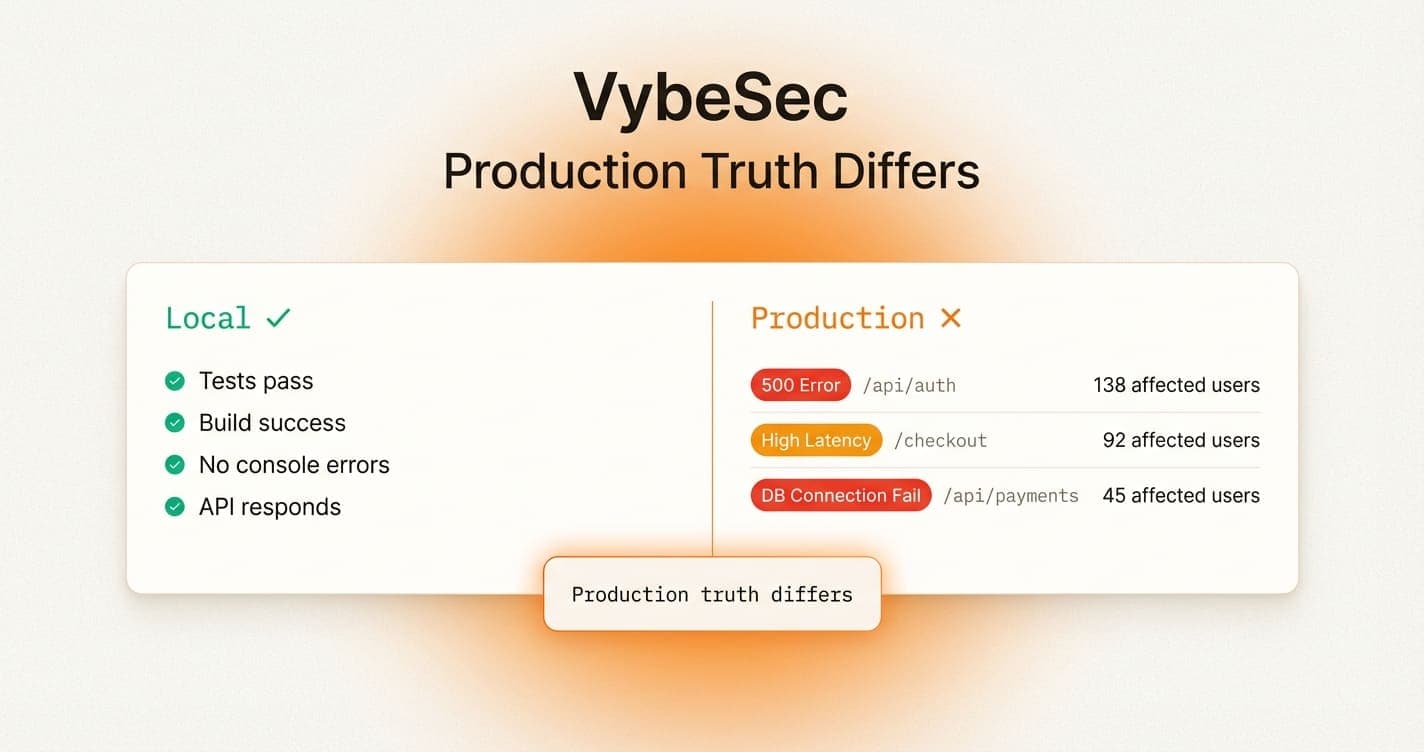
Why AI-Built Apps Crash in Production Even When They Look Fine Locally
Local success is a weak signal. Real users trigger different routes, payloads, permissions, and edge conditions. This is how to design monitoring for that reality.
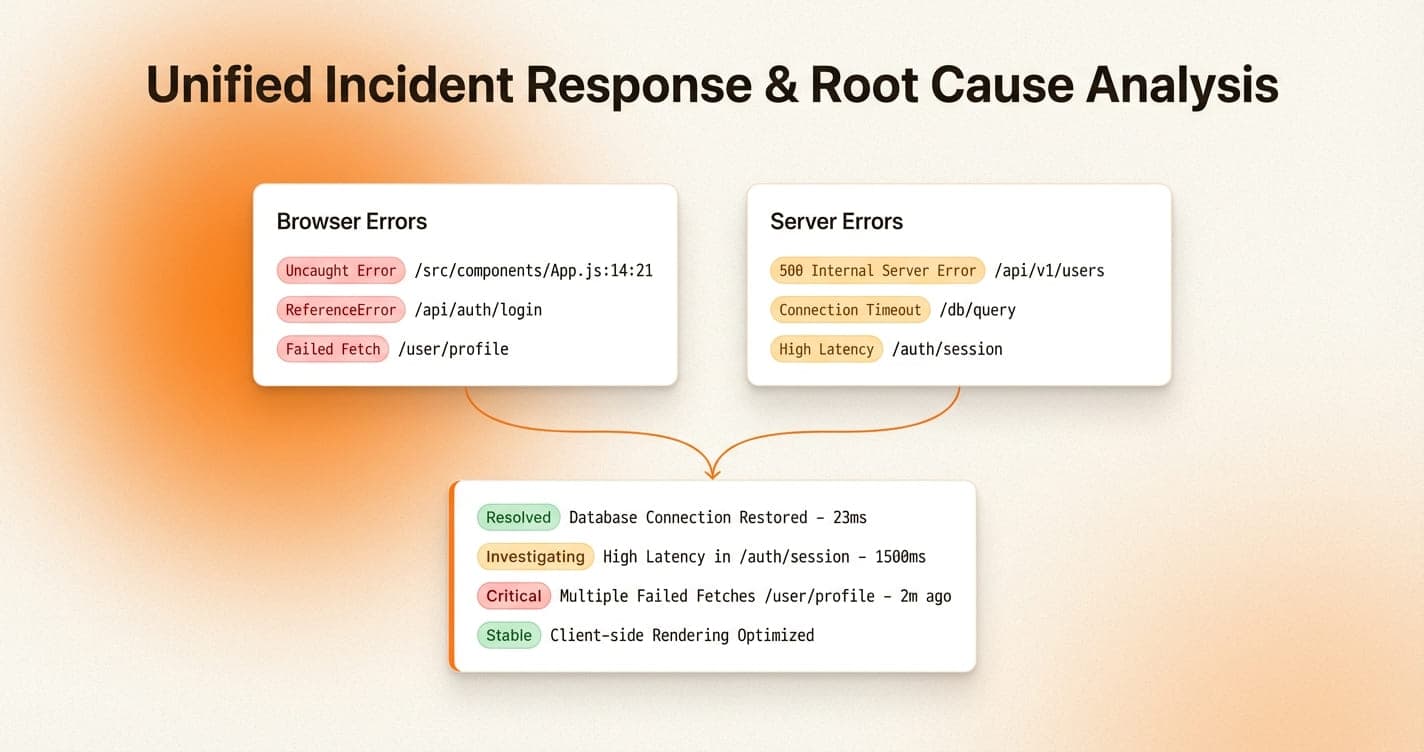
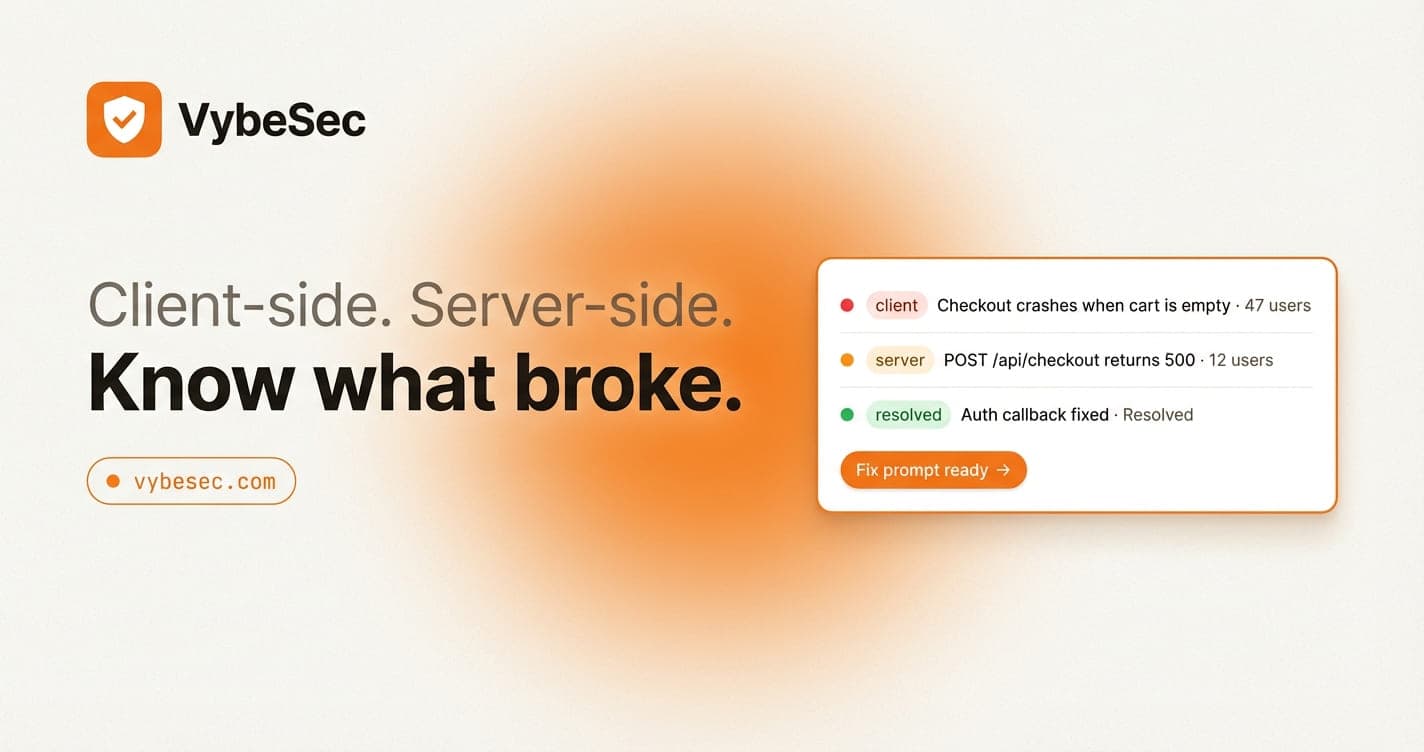
Why Client-Side and Server-Side Monitoring Should Share the Same Feed
When browser failures and backend failures land in different tools, the team spends more time reconciling incidents than fixing them. One feed changes that.
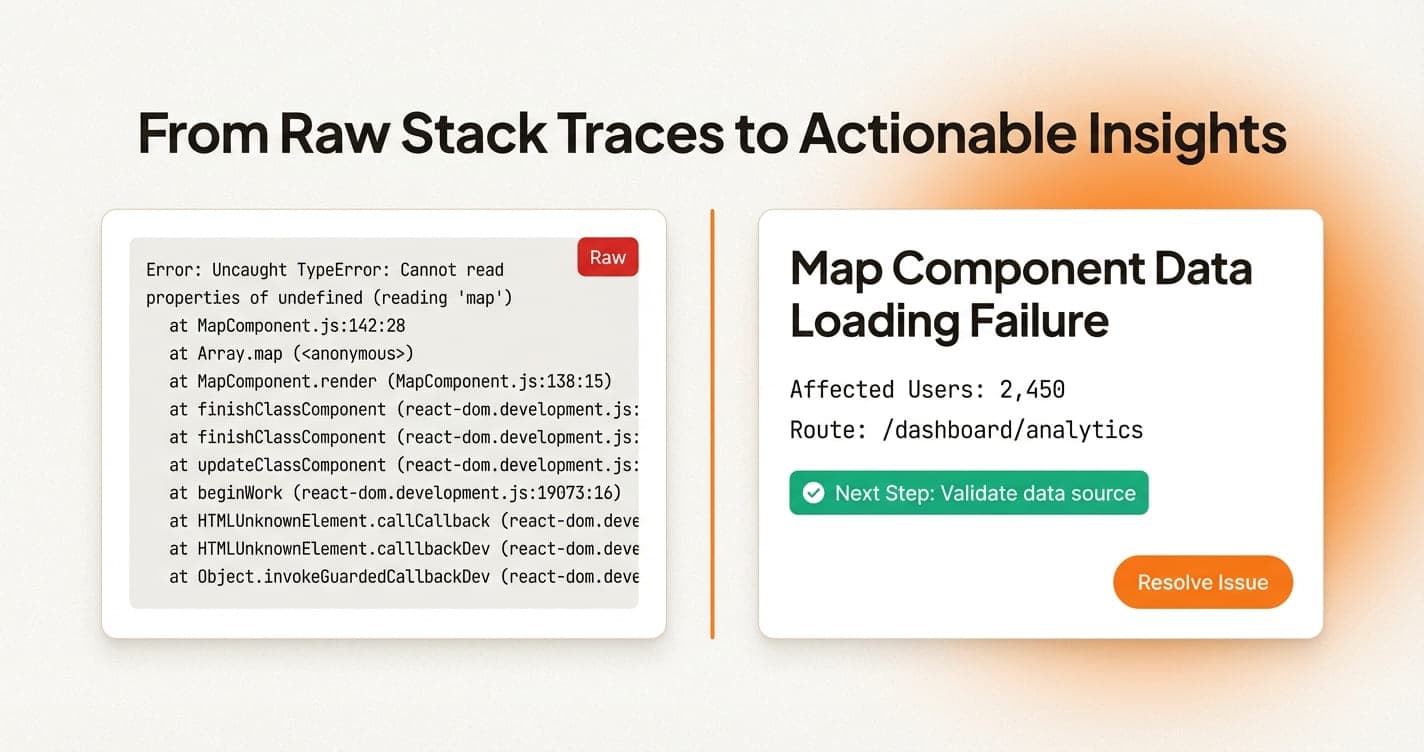
Plain-English Error Feeds Beat Raw Stack Traces for Small Teams
Small teams do not need more noise. They need an issue feed that converts technical failures into decisions they can act on quickly.
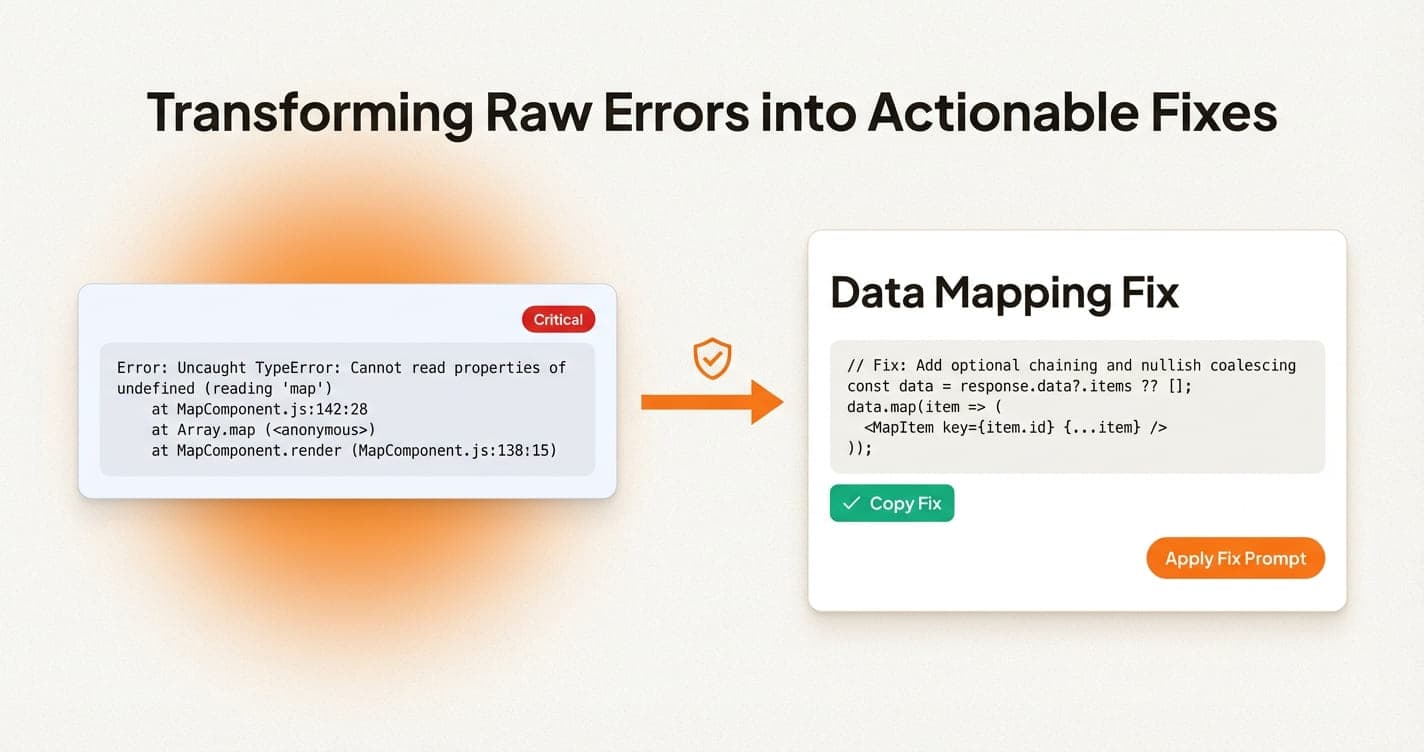
Fix Prompts Are the Missing Layer Between Monitoring and Repair
AI-built apps move faster when the monitoring product does not stop at detection. The next step should already be shaped into a usable fix prompt.
All posts
Founder notes, product decisions, and technical implementation details.
Showing 19–24 of 32
The Cost Model Behind Edge Ingest and Why It Matters
Monitoring products do not just fail by missing incidents. They also fail by processing work they should have rejected earlier. Cost discipline starts at ingest.
Why Historical Issues Should Stay Visible After Trial Expiry
Locking remediation is a cleaner product boundary than erasing history. Users should keep the value they already generated while live processing pauses.
Choosing Monitoring for an AI-Built Product: A Founder’s Guide
The right monitoring product for an AI-built app is not the one with the most knobs. It is the one that turns incidents into decisions without adding operational drag.
How to Add Monitoring to Next.js Without Turning It Into Another Refactor
A clean monitoring integration should respect the app you already have. This is the narrow setup path that adds signal without creating architectural churn.
Why Browser Errors Alone Do Not Explain Revenue Loss
Revenue-impacting bugs usually cross the client-server boundary. Browser-only monitoring tells only part of the story, which is why the highest-value incidents stay muddy.
What Founders Should Measure After Launch Besides Traffic
Traffic tells you who arrived. Monitoring tells you whether the product actually worked for them. Both matter, but only one explains broken journeys.